
If Indigo stops, should India stop too?!
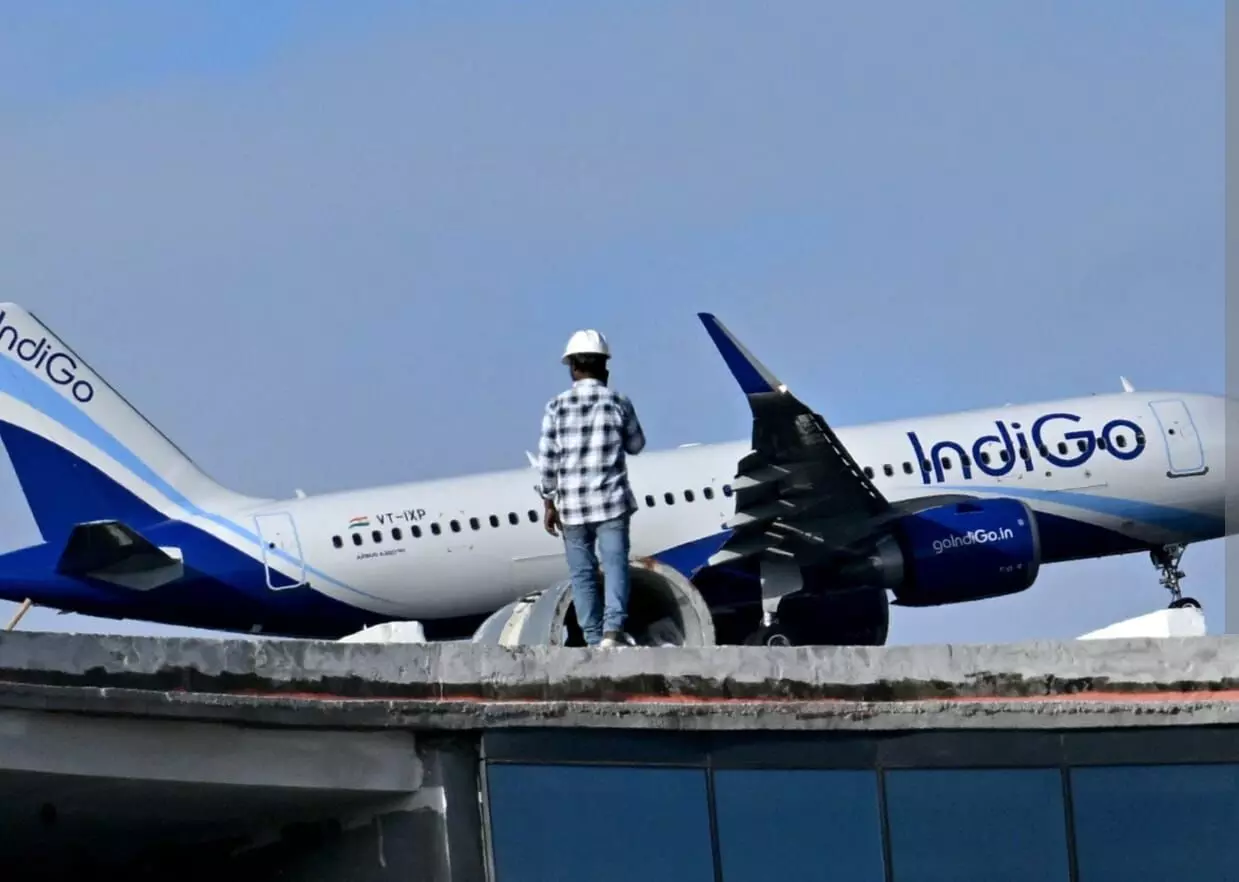


If Indigo stops, should India stop too?!. This is the question on the minds of airline passengers across the country. It is natural for flights to encounter technical problems and for flight services to be cancelled occasionally. But this is the first time that nearly a hundred flights have stopped and lakhs of passengers have been stranded at airports. Never before has the country faced such a severe issue. Whatever the reasons may be, this has become a new subject of discussion. Experts in this sector are of the opinion that if Indigo flights stop, and the entire aviation sector in India almost comes to a halt, it is something that needs serious attention. Indigo Airlines is the largest airline in the country. According to available data, the company’s market share is around 60 percent. After Indigo, another key airline is Air India, which holds about 26 percent share. This means domestic airline passengers in India are heavily dependent on just two airlines—Indigo and Air India.
Although there are airlines like SpiceJet and Akasa Air, their fleet size and market share remain limited. Officials say that apart from Indigo’s role in the current situation, the Ministry of Civil Aviation and the Directorate General of Civil Aviation (DGCA), which are responsible for overseeing these matters, also hold responsibility. One of the main reasons behind the chaos currently prevailing in airports across the country is said to be the Flight Duty Time Limitations (FDTL) policy. This concerns pilots’ working hours and leave schedules. DGCA instructed that this rule must be strictly implemented from November 1, 2025. However, there seems to be no indication that DGCA prepared a roadmap in advance to check how ready airlines—holding as much as 86 percent market share—were for implementation or what alternative arrangements needed to be made if they were not prepared.
Only after Indigo flights were cancelled and passengers across the country began suffering did the DGCA reportedly grant certain relaxations to Indigo regarding FDTL implementation. There is no evidence that the Union Civil Aviation Ministry had conducted any prior review to ensure airlines were prepared for such a critical regulation. Now, after the issue has become severe, the authorities are stepping in and issuing new instructions. Officials say that when hundreds of flights get cancelled for consecutive days and passengers suffer greatly, it sends worrying signals that must be taken seriously. After the crisis intensified, the Centre announced a high-level inquiry into the Indigo crisis, stating that those responsible would be identified and action would be taken. When critical instructions were issued earlier, the government should have ensured in advance that problems would not arise. Instead, after Indigo flight cancellations across the country, they are now taking action. As a result, passengers nationwide are facing severe difficulties. Adding to this, several airlines have arbitrarily increased ticket prices, burdening passengers even further.