
TDP–Jana Sena Alliance: Is This the Real Test for Chandrababu & Pawan Kalyan?
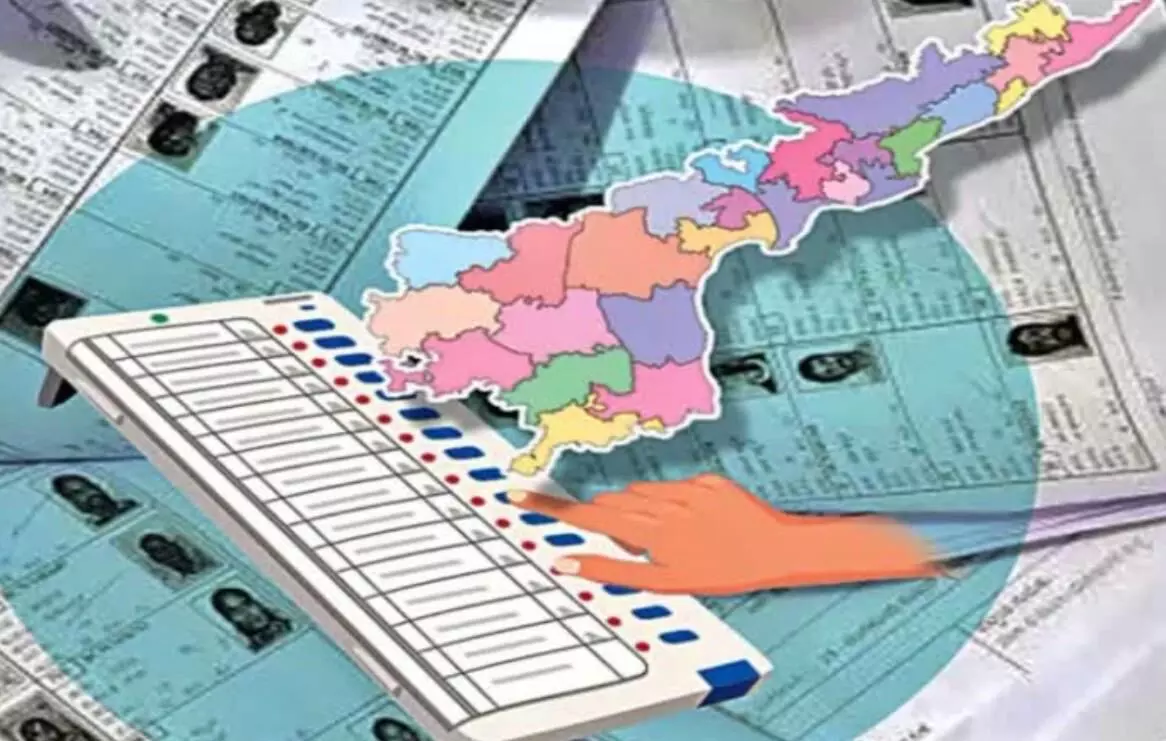


Local body elections have traditionally been favorable to the ruling party. Several factors contribute to this, including financial resources as well as the support of the administrative machinery available to the party in power. In the upcoming local body elections in Andhra Pradesh, the most important question may not be how many seats the alliance will win. Instead, the key issue will be how smoothly the alliance between the two major partners — the Telugu Desam Party (TDP) and Jana Sena — functions during these elections. How many seats will each party get? And once those seats are allocated, to what extent will the respective party leaders and cadre cooperate with each other? These questions are now becoming extremely crucial. For some time now, the way Jana Sena chief and Andhra Pradesh Deputy Chief Minister Pawan Kalyan has been conducting himself has triggered considerable controversy. For political reasons, Chief Minister Chandrababu Naidu and Minister Nara Lokesh have never openly spoken out on the matter. However, there is reportedly significant dissatisfaction among TDP leaders at the local level, as well as within the TDP cadre, over Pawan Kalyan's approach.
There is growing discussion among TDP leaders that this dissatisfaction could certainly have an impact on the local body elections. The biggest possibility of a dispute appears to be over seat sharing. Even if the two parties manage to reach an agreement through mutual adjustments, the real challenge could arise when it comes to the transfer of votes during the elections. If TDP leaders and cadre do not cooperate in the seats allocated to alliance partner Jana Sena, the chances of winning those seats will be greatly reduced. At the same time, since the alliance came to power, Deputy Chief Minister Pawan Kalyan has repeatedly made public statements saying that Chandrababu should remain Chief Minister for 15 years. These remarks have not gone down well with Jana Sena leaders and cadre. Whatever the reasons may be, even those who support Jana Sena and Pawan Kalyan are reportedly not entirely satisfied with the way the alliance is functioning. Against this backdrop, the coordination demonstrated by the two parties in ensuring the victory of their respective candidates in the upcoming local body elections will be extremely important for the next Assembly elections as well.
If differences between the two major parties deepen because of the local body elections, they are certain to have an impact on the next Assembly elections. Another important aspect is that, unlike in the previous Assembly elections, Jana Sena is reportedly planning to demand a larger share of seats in the local body elections. Pawan Kalyan has said that the party will seek seats in areas where it is strong and will ensure that the dignity and respect of its party workers are not compromised. Two major challenges are clearly visible here. The first is how respectfully Jana Sena will be able to secure seats from the TDP. The second, and perhaps more important, is how the two parties will work together to ensure victory in the seats that Jana Sena manages to secure. A senior minister is of the opinion that, in the local body elections, the coordination between the alliance partners — TDP and Jana Sena — will be far more crucial than the challenges posed by the YSR Congress Party (YSRCP). Even while being a partner in the alliance, Jana Sena chief Pawan Kalyan has on several occasions acted as though he is completely independent and has nothing to do with the government. This is increasingly putting the alliance in a difficult position.