
Israel-Iran Conflict Enters Dangerous New Phase Despite Peace Efforts
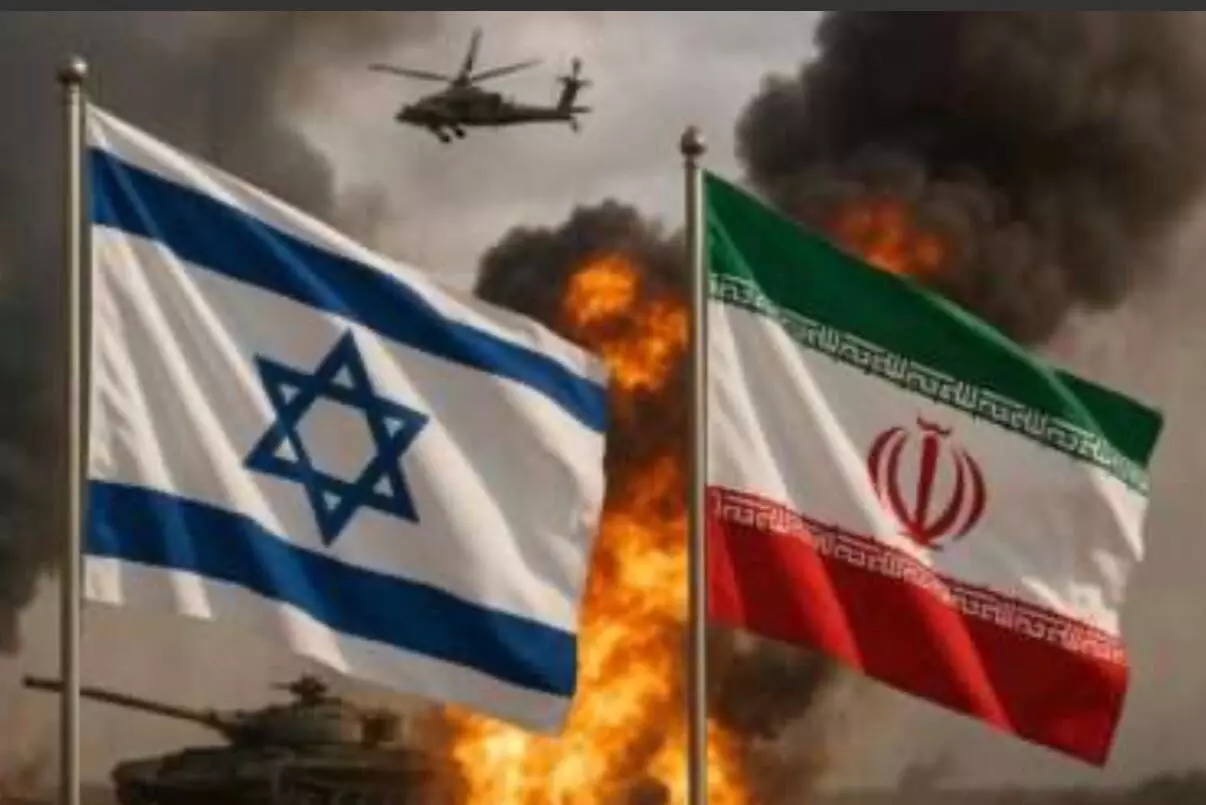


Is Israeli Prime Minister Benjamin Netanyahu really ignoring U.S. President Donald Trump, or are the two leaders working in tandem as part of a broader strategy to achieve their objectives in Iran? These questions are now being widely debated across diplomatic and political circles. Since the start of the conflict, President Donald Trump has repeatedly claimed that Iran was eager to reach an agreement with the United States and that a deal was only a matter of time. However, no such agreement has materialized so far. Just a few days ago, several media reports suggested that Trump personally called Netanyahu and expressed his displeasure over Israel's actions. Despite that, Israel does not appear to have altered its stance in any significant way. Although a ceasefire agreement remains in effect, Israel has continued carrying out strikes in Lebanon, prompting a strong reaction from Iran.
In response, Iran launched ten missiles toward northern Israel. The attack was confirmed by the Israel Defense Forces (IDF). Following the Iranian missile strike, Israel launched large-scale retaliatory attacks against Iran. This is being described as the first major escalation between the two countries since the ceasefire came into force. While the United States has occasionally conducted limited defensive strikes, Israel's latest offensive has raised fears in several countries that the conflict could return to full-scale warfare. As tensions escalated, Kuwait and Iraq closed their airspace as a precautionary measure. Air raid sirens once again sounded across parts of Israel following the Iranian missile launches. The Israeli government issued alerts urging residents to seek shelter immediately. According to international media reports, Israel intercepted all ten Iranian missiles before they reached their targets. Israeli military officials also stated that several missiles had been successfully intercepted and warned that retaliation was inevitable.
"Iran has committed a serious mistake. We will respond with even greater force. We will strike in a manner that shatters the enemy's confidence," Israeli military spokesman Brigadier General Effie Defrin said. Meanwhile, international media outlet Axios reported that U.S. President Donald Trump had attempted to restrain Israel from carrying out retaliatory attacks against Iran. Despite that, Israel proceeded with its military response, appearing unwilling to heed Trump's calls for restraint. Media reports indicate that Trump believes the United States and Iran are close to reaching an agreement and that fresh military action at this stage could undermine those efforts. However, Israel moved ahead with strikes targeting Tehran, Tabriz, and Isfahan. Analysts note that this is the most significant wave of attacks since April 8. With Iran and Israel once again exchanging strikes, observers are closely watching how the situation develops in the coming days. The latest escalation has already pushed global oil prices higher and is expected to have a significant impact on stock markets around the world.